Experts are hailing the recent signing of the Genius Act by U.S. President Donald Trump as a transformative step for global cryptocurrency adoption, particularly in the UAE. The legislation introduces a federal regulatory framework for dollar-pegged stablecoins — digital assets designed to maintain a steady value — and is expected to boost user confidence, making stablecoins more accessible for everyday payments and decentralised finance (DeFi).
With the global stablecoin market valued at over $260 billion (Dh954 billion), the new U.S. law could see that figure swell to $2 trillion (Dh7.3 trillion) by 2028, according to CoinGecko. Experts told KT LUXE that the law marks a shift from the “speculative chaos” that once defined the sector to a more transparent and secure financial system.
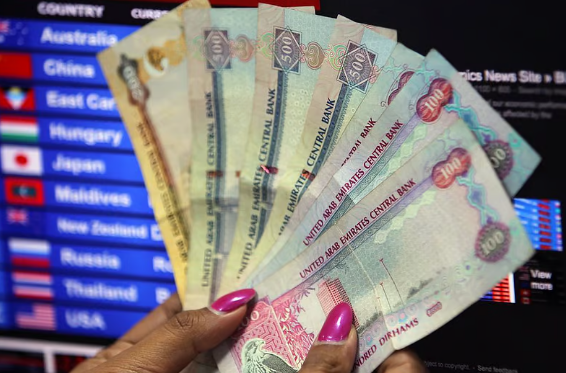
In the UAE, regulators have already taken significant steps to keep pace. The Central Bank of the UAE (CBUAE) recently licensed AE Coin — the country’s first AED-backed stablecoin — under its digital payment token services framework. The move reflects the UAE’s growing ambition to play a leading role in the future of decentralised finance.
“The UAE’s AED-backed stablecoin is a really exciting milestone,” said Meera Judge, director of regulatory licensing and policy at Binance. “It shows how seriously the UAE is taking decentralised finance and its future role in global financial innovation.”
Judge noted that clear regulations provide consumer protection, enhance transparency, and foster innovation — key factors for mass adoption. She added that local fiat stablecoins like AE Coin support regional financial needs, promote inclusion, and reduce dependence on USD-backed tokens.
Bitget CEO Gracy Chen echoed this sentiment, highlighting the UAE’s focus on regional financial sovereignty. “Unlike the USD-centric approach of the U.S., the UAE’s AED stablecoin regulation — coming into effect in June 2025 — emphasises stability and centralised oversight by the Central Bank,” Chen said.
She added that supporting non-USD stablecoins could strengthen regional trade and diversify global crypto markets. However, Chen cautioned that increased compliance and the entry of large banks into the market — such as JPMorgan, Bank of America, and UAE’s FAB and Zand Bank — could lead to consolidation and raise operational costs for exchanges.
Still, both Chen and Judge agree the developments will ultimately lend legitimacy to stablecoins and help drive adoption, particularly among newcomers in the UAE. As regulatory frameworks take shape on both sides of the Atlantic, the region is poised to become a key hub in the future of global digital finance.