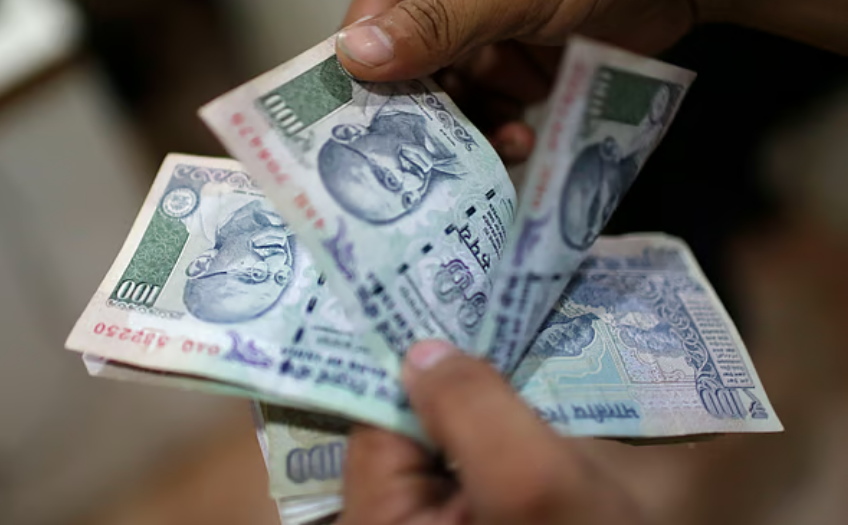
The Indian rupee has been grinding lower, repeatedly testing record lows near Rs92 per $1, and dragging the dirham rate close to Rs25 per Dh1 for UAE-linked travellers, students, importers and remitters.
The currency’s recent moves have been uneven rather than sharply directional. On January 27, the rupee staged a modest recovery after the dollar softened globally, supported by optimism around potential trade deals. That brief pause followed fresh record lows earlier in the week and did little to change the broader trend, which continues to point toward sustained pressure on the currency.
Market participants say the rupee’s weakness reflects a combination of global and domestic factors rather than a single shock. High US interest rates remain a central driver. As long as yields on US assets stay elevated, global capital tends to remain parked in dollar-denominated investments, reducing appetite for emerging-market currencies such as the rupee. With traders watching closely for signals from the US Federal Reserve, any shift in rate expectations has had an immediate impact on currency markets.
A strong dollar cycle has added to the strain. Even when India’s economic indicators appear stable, a rising dollar has often outweighed local positives, particularly at a time when foreign investors remain cautious.
One of the clearest pressures has come from foreign portfolio outflows. Overseas investors have continued to sell Indian equities and bonds, converting rupees into dollars as they exit. That process increases dollar demand in the domestic market and pushes the rupee lower. Recent market reports have consistently linked late-January rupee weakness to equity outflows and risk-averse global positioning.
Import demand for dollars has also intensified. India relies heavily on imports such as crude oil, electronics, machinery, chemicals and gold. As concerns grow about further rupee depreciation, companies often move early to secure dollars, either through spot purchases or hedging. Exporters, meanwhile, have tended to hold back dollar sales, waiting for more favorable exchange rates. This imbalance has added to pressure near record lows.
For Gulf-based observers, the rupee’s decline has been especially visible through the dirham rate. Because the UAE dirham is pegged to the US dollar, any fall in the rupee against the dollar is quickly reflected against the dirham, affecting remittances, education costs and travel budgets.
The Reserve Bank of India has sought to calm markets by emphasizing that it does not target a specific exchange-rate level. Governor Sanjay Malhotra has said the central bank focuses on maintaining orderly market conditions rather than defending a fixed number, though traders still expect intervention during periods of sharp volatility.
Analysts say potential stabilising factors include a softer dollar, improved trade sentiment and continued central bank actions to smooth market swings. For households and businesses, the weaker rupee brings mixed effects, boosting remittance value while raising the cost of imports and overseas expenses.