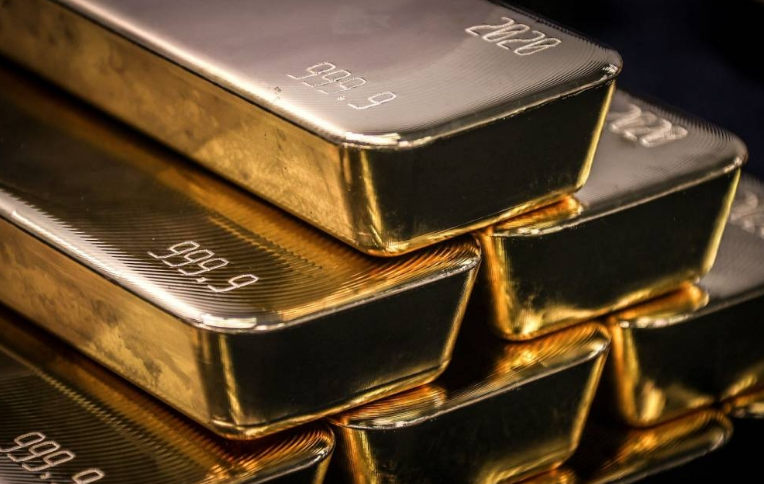
The price of gold in Qatar fell slightly over the past week, marking a 0.40 percent decline to USD 3,986.49 per ounce, according to data released by Qatar National Bank (QNB). The latest figures show gold prices slipping from USD 4,002.78 recorded last Sunday, reflecting a broader trend of weakness across global precious metal markets.
Analysts attribute the decline to a stronger U.S. dollar and expectations of steady interest rates by major central banks, which have weighed on investor demand for non-yielding assets like gold. While the drop was modest, it marked the second consecutive weekly decline in Qatar’s domestic gold market.
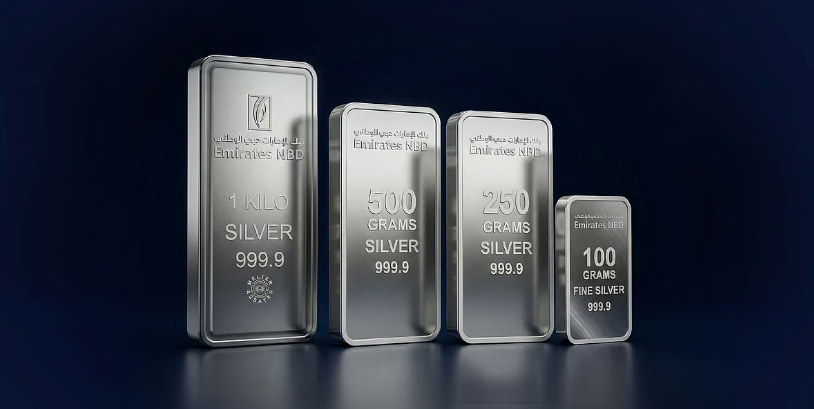
QNB’s report also noted a downturn in other precious metals. Silver fell by 1.02 percent over the week to USD 48.20 per ounce, compared to USD 48.70 at the start of the week. Platinum prices also edged lower, slipping 0.82 percent to USD 1,563.02 per ounce from USD 1,576.10 a week earlier.
The softer performance of precious metals comes amid shifting sentiment in global commodity markets. Investors have been adjusting their portfolios as concerns over inflation and interest rate policy continue to influence trading behavior. Market observers said that gold’s slight pullback was partly due to profit-taking after prices reached near-record highs earlier this month.
Despite the week’s decline, gold remains near its upper trading range for 2025, supported by ongoing geopolitical tensions and cautious investor sentiment. “The market is in a consolidation phase,” a regional commodities analyst said. “Prices are holding relatively firm despite short-term corrections, which suggests investors are still turning to gold as a hedge against uncertainty.”
In Qatar, local jewellers and traders reported stable demand for gold jewellery and investment bars, with many customers using the recent price dip as an opportunity to buy. “We’ve seen some renewed interest from small investors who view this as a good entry point,” one Doha-based trader said.
Silver and platinum, typically more sensitive to industrial demand, have faced additional pressure amid signs of slowing manufacturing activity in key global economies. Analysts expect trading in these metals to remain subdued in the coming weeks unless new data signals stronger economic momentum.
The QNB report indicated that market volatility is likely to persist as investors await updated inflation figures and signals from the U.S. Federal Reserve’s next policy meeting. Both are expected to play a key role in determining the short-term direction of global metal prices.