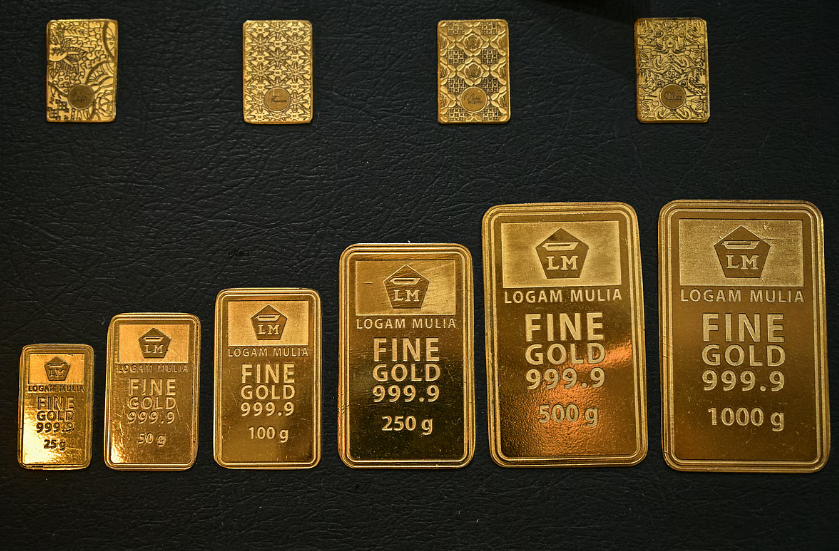
Gold demand soared to historic levels in the third quarter of 2025 as investors worldwide sought safety from escalating geopolitical tensions, persistent inflation, and a slowing global economy. According to the World Gold Council (WGC), total demand — including over-the-counter transactions — surged to 1,313 tonnes, valued at approximately $146 billion. This marks the highest quarterly total ever recorded, reaffirming gold’s reputation as both a crisis hedge and a long-term store of value.
Investment activity led the rally, with inflows rising 47 percent year-on-year to 537 tonnes, accounting for more than half of total global demand. The surge was attributed to heightened investor anxiety over weakening growth indicators, currency fluctuations, and concerns about inflated equity valuations. As gold prices neared the symbolic $4,000-per-ounce level, traders noted that momentum buying, driven by “fear of missing out,” accelerated the rally.
“Gold is not just rising because markets are turbulent,” said Sajith Kumar P.K., CEO of IBMC Financial Professionals Group. “It is rising because the world’s financial architecture is shifting, with investors and governments returning to gold’s timeless role as the ultimate anchor of wealth.”
Exchange-traded funds (ETFs) backed by physical gold were a key factor in the surge, posting inflows of 222 tonnes worth $26 billion — the third consecutive quarter of accumulation. Year-to-date ETF holdings have climbed by 619 tonnes, led by funds in North America, followed by Europe and Asia. Analysts say this signals a structural reallocation toward gold in institutional portfolios, rather than short-term speculation.
Retail demand also strengthened, with global bar and coin purchases rising 17 percent to 316 tonnes. India and China accounted for the bulk of this activity, as households turned to gold to protect savings from currency depreciation and uncertainty in property and equity markets. The UAE also reported robust investment-linked jewellery and bullion buying, particularly among private wealth investors.
However, the record-high prices dampened jewellery consumption globally, which fell 19 percent from a year earlier. Consumers in emerging markets adjusted to higher costs by opting for lighter or lower-purity pieces.
Central banks remained significant buyers, adding 220 tonnes to reserves during the quarter — a 28 percent increase over the previous period — bringing total purchases this year to 634 tonnes. The trend reflects continued diversification away from the US dollar.
On the supply side, gold output reached 1,313 tonnes, up 3 percent year-on-year. Mine production rose modestly to 977 tonnes, while recycling increased slightly to 344 tonnes. Despite record prices, selling remained limited, suggesting investors expect further gains.
Gold prices edged up 0.6 percent to $3,953 per ounce following the US Federal Reserve’s recent 25-basis-point rate cut to 3.75–4.00 percent. Analysts say that with inflation risks lingering and real yields expected to remain low, the environment remains strongly supportive for gold’s long-term upward trajectory.