Fewer multinational companies signaled price increases during the third quarter, reflecting a shift in corporate strategy as new US trade agreements help stabilise financial planning and firms work to protect sales volumes. A review of corporate statements and earnings calls by Reuters shows a marked decline in the number of companies attributing price hikes to tariffs.
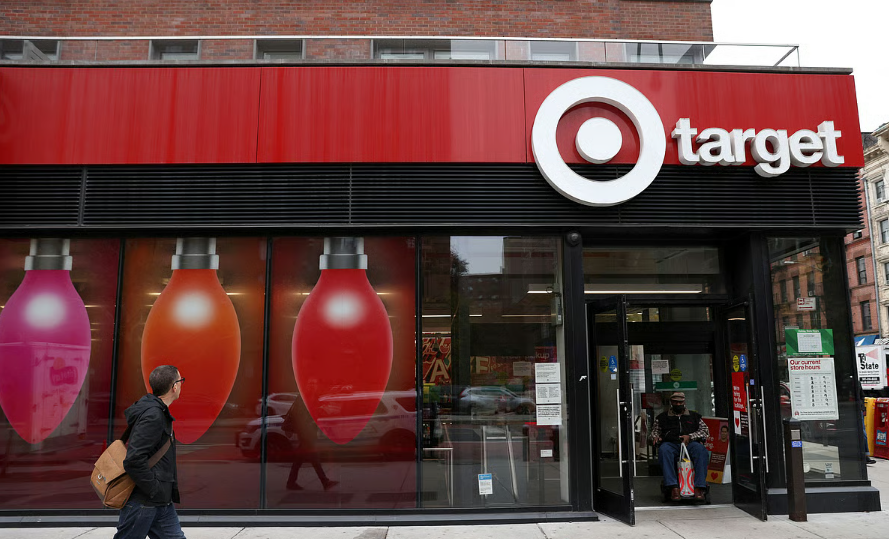
The latest signals came as the earnings season wrapped with results from major US retailers including Walmart, Target, Home Depot and Lowe’s. Their reports highlighted differing approaches to slowing consumer spending, with many chains relying on targeted discounts heading into the holiday season. Retailers cited the pressure on shoppers after the longest US government shutdown on record disrupted federal benefits and delayed key economic data releases.
Reuters tracked at least 28 companies that acknowledged raising prices or having done so since October 16. This compares with 51 companies making similar disclosures during the second quarter and nearly 90 in the first. The figures represent only publicly listed firms that explicitly linked pricing decisions to tariffs.
Additional data from market intelligence firm AlphaSense showed global corporate mentions of tariff-related price hikes fell by approximately 68 percent between the first-quarter earnings period and the start of the third. Early in the year, companies had warned of more than $35 billion in projected tariff costs. Many have since lowered those estimates as new trade deals provided clearer visibility and reduced exposure to the ongoing US–China trade conflict.
“We have seen less tariff impact than what we thought we would have expected early in the year,” Walmart incoming CEO John Furner said during an earnings call, noting the retailer is focused on price cuts entering the holiday season. Analysts say the corporate conversation has shifted from strategy development to execution. “Few companies wanted to stick their necks out with price hikes,” said Brian Jacobsen, chief economist at Annex Wealth Management.
Several retailers reported absorbing tariff-related costs due to widening gaps in consumer spending. Executives noted that higher-income households were continuing to spend, while lower-income customers were cutting back. Target has announced price cuts on 3,000 essential items for the holiday period, compared with about 2,000 last year. Fast-food chains including McDonald’s, Domino’s Pizza and Yum Brands rolled out lower-priced meal bundles aimed at cautious diners.
Some companies, however, said rising prices introduced new challenges. Newell Brands, the maker of Mr. Coffee, reported that its price increases were not matched by competitors, leaving some of its products less competitive. Footwear and apparel company Deckers Brands warned that the full effect of tariffs would continue to influence demand in the second half of the year.
While September inflation data pointed to easing price pressures in sectors such as travel and used vehicles, companies report uneven conditions across industries. Some expect further pass-through costs in the fourth quarter, while others anticipate stable pricing.
Rockwell Automation projected modest price increases for fiscal 2026, split between underlying pricing and tariff adjustments. “We’re not using tariffs as an opportunity for us to grab some profit,” said CFO Christian Rothe.
Executives across industries continue to stress the need for clarity on long-term tariff policy. Dave Evans, CEO of global manufacturer Fictiv, said most firms are sharing tariff burdens with suppliers or absorbing them entirely as they wait for a clearer “end game” before committing to broader price changes.