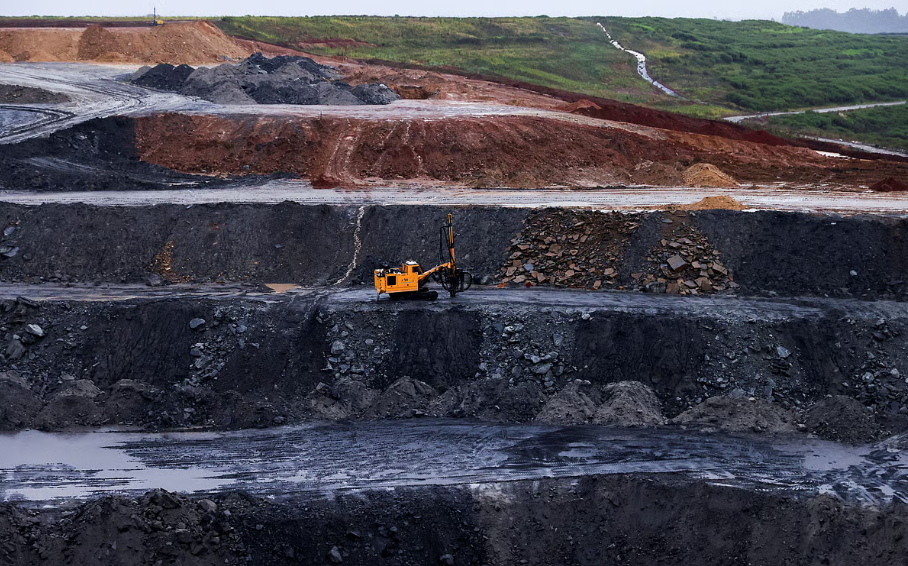
Global coal demand reached an all-time high in 2025 but is expected to gradually decline by 2030 as renewable energy, nuclear power, and abundant natural gas reduce its share in electricity generation, the International Energy Agency (IEA) said on Wednesday.
Coal remains the largest single fuel for electricity worldwide, making the transition away from it a key factor in meeting global climate targets. According to the IEA’s Coal 2025 report, global coal demand is projected to increase by 0.5 percent in 2025, reaching a record 8.85 billion metric tons.
“Looking ahead, global coal demand is expected to plateau before entering a slow and steady decline through the end of the decade,” said Keisuke Sadamori, the IEA’s director of Energy Markets and Security, during a press briefing.
The forecast shows little change from last year despite notable shifts in regional consumption patterns. In India, coal use fell for only the third time in five decades. Heavy monsoon rains increased hydropower output while suppressing electricity demand, contributing to the drop. In the United States, coal consumption rose, influenced by higher natural gas prices and an executive order signed by President Donald Trump aimed at preserving coal plants and boosting domestic coal production.
China, the world’s largest coal consumer, saw largely stable demand in 2025. The IEA expects a slight decline in Chinese coal use by 2030 as renewable capacity expands. Sadamori emphasized China’s pivotal role in global coal trends, noting that the country consumes roughly 30 percent more coal than the rest of the world combined.
The report cautioned that faster growth in electricity demand or slower integration of renewable energy in China could drive global coal consumption above current forecasts.
Coal’s dominance has been challenged in recent years by the rapid development of alternative energy sources. Wind, solar, and nuclear power are increasingly shaping electricity markets, while natural gas remains a flexible and widely available substitute. Despite these shifts, coal’s persistent role in power generation highlights the difficulty of reducing reliance on the fuel in the short term.
The IEA’s findings underline the need for careful energy planning as countries balance climate goals with energy security and economic growth. While coal demand may have peaked globally, the pace and timing of its decline will depend heavily on policy decisions, energy investments, and the speed of renewable adoption, particularly in major consuming nations like China, India, and the United States.