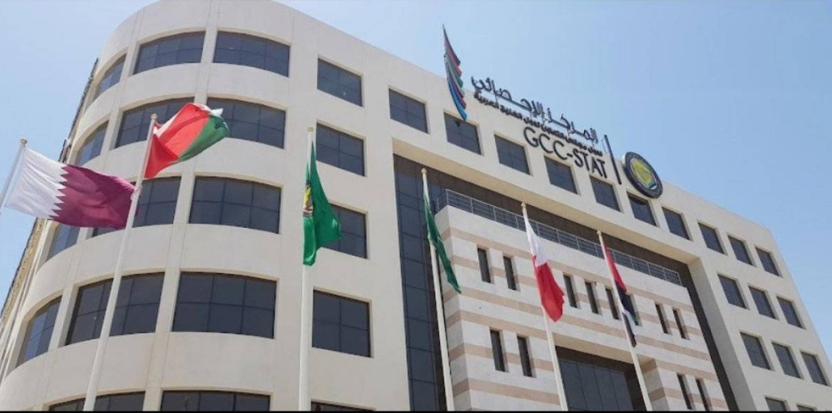
The combined gross domestic product (GDP) of Gulf Cooperation Council (GCC) countries rose to $588.1 billion at current prices by the end of the first quarter of 2025, marking a 3% increase compared with $570.9 billion recorded in the same period last year, according to data released by the GCC Statistical Center (GCC-Stat).
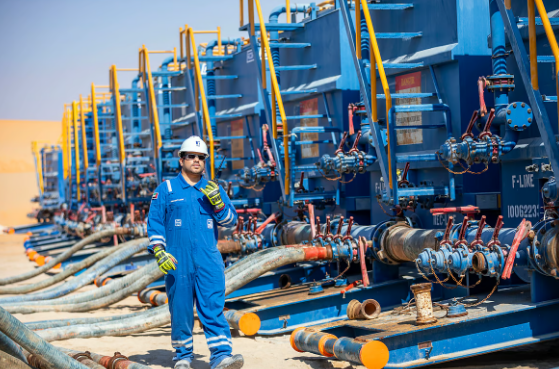
The figures highlight steady growth across the six-member bloc, driven largely by non-oil sectors that continue to play a dominant role in regional economic activity. Non-oil activities accounted for 73.2% of the GCC’s total GDP at current prices, while oil-related activities contributed 26.8%, underscoring the region’s ongoing efforts to diversify away from hydrocarbons.
At constant prices, the GCC’s overall output registered a slight quarterly increase of 0.1% compared with $587.8 billion in the final quarter of 2024. Economists say the modest quarterly rise reflects stable economic conditions across the Gulf, amid fluctuating oil prices and a broader focus on sustainable, non-oil growth.
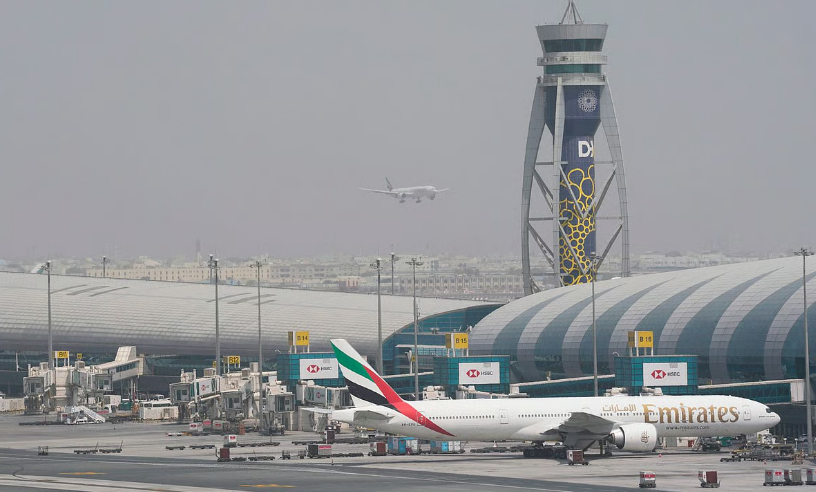
The data points to continuing resilience in key non-oil sectors, including manufacturing, tourism, construction, logistics, and financial services — all of which have benefited from significant government investment and private sector expansion under national transformation plans.
Countries such as Saudi Arabia, the United Arab Emirates, and Qatar have led diversification initiatives through projects aimed at boosting renewable energy, digital infrastructure, and service industries. These efforts are part of broader visions — including Saudi Vision 2030 and the UAE Centennial Plan — designed to reduce dependence on oil revenues and build more balanced, knowledge-based economies.
Analysts note that the GCC’s performance in early 2025 reflects both regional and global economic trends. Stable energy markets, easing inflation pressures, and continued demand for services have supported moderate growth across member states. Meanwhile, the non-oil sector’s rising contribution to GDP signals progress toward long-term structural transformation.
“The data reaffirms the region’s resilience and its ongoing shift toward a diversified economic model,” GCC-Stat said in its report. “Non-oil activities remain the main driver of growth, supported by strong investment and private sector participation.”
The GCC’s collective focus on economic diversification, fiscal reforms, and technological innovation is expected to sustain growth momentum throughout the year, even as global energy markets remain uncertain.
With non-oil sectors now accounting for nearly three-quarters of the region’s total output, the latest figures reflect a significant milestone in the Gulf’s long-term goal of reducing reliance on hydrocarbons and fostering a more sustainable, broad-based economy.