The global economy is at a critical juncture, marked by trade tensions and geopolitical conflict. Against this backdrop, the Gulf Cooperation Council (GCC) region has maintained economic resilience, with Dubai and Saudi Arabia reporting robust growth figures in early 2025.
Dubai’s economy expanded by 4 percent in the first quarter, reaching a GDP of AED119.7 billion, reflecting strong activity across sectors such as real estate, tourism, hospitality, and healthcare. Saudi Arabia has also made notable progress, with the World Bank raising its 2025 economic growth forecast to 3.2 percent, supported by an expected 8 percent increase in tourism revenues.
In the UAE, a growing population driven by expatriates, rising tourism, and international investment has helped Dubai withstand regional and global economic pressures. Analysts note that strong consumer demand, combined with well-performing industries, positions the emirate to sustain growth in the coming year.
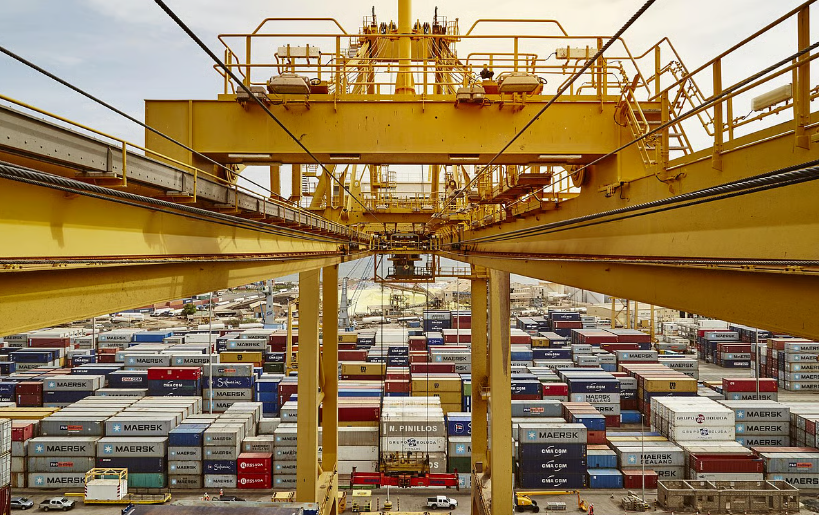
Experts highlight the central role of logistics in supporting this economic expansion. Jebel Ali Port, one of the busiest ports globally, now has the capacity to handle 19 million containers annually, while Dubai’s two world-class airports ensure efficient air, sea, and road connectivity. This infrastructure enables timely delivery of goods, critical for sectors reliant on quality and freshness, such as hospitality and pharmaceuticals.
Dubai’s hospitality industry, home to 340 fine dining restaurants, relies on cold chain logistics to preserve perishables. Similarly, the pharmaceutical sector depends on temperature-controlled transport to meet rising healthcare demand in the UAE and across the region. Investments in cold chain logistics are increasing globally, with companies such as DHL pledging €2 billion by 2030, a quarter of which will support operations in Europe, the Middle East, and Africa.
Qatar is also emerging as a trade hub, using its strategic location and advanced infrastructure to connect markets in Africa, Asia, and Europe. Within the UAE, technology-enabled supply chains and digital tools are enhancing efficiency, enabling predictive maintenance, warehouse automation, and improved route planning for goods ranging from food and medicines to construction materials and luxury items.
The construction, tourism, and entertainment sectors depend on logistics for timely delivery of materials and promotional goods, while the aviation industry increasingly relies on efficient supply chains to support expanding fleets and hospitality operations. Analysts say that in an era of frequent supply chain disruptions, reliable and flexible logistics solutions are essential to sustain growth.
“The global economy is at a critical juncture, as there are trade tensions and geopolitical conflict. Against this backdrop, the GCC region has remained a beacon of strength and resilience,” industry observers said. Experts note that continued investment in infrastructure, cold chain capacity, and advanced technologies will remain crucial as the UAE aims to double its GDP to over $800 billion by 2030.