The coming year is expected to mark a turning point in how technology is built, deployed and governed, with experts predicting that ecosystems, rather than individual companies, will define the next decade of innovation. Industry leaders say 2026 will be shaped by five major shifts, from artificial intelligence collaboration to digital identity infrastructure and robotics integration.
Artificial intelligence is forecast to move beyond being a productivity tool and become a collaborative partner in business operations. AI agents are expected to plan ventures, write code, generate content and manage workflows alongside human teams. Analysts say the competitive edge will not lie in simply accessing AI systems, but in building environments where humans and machines can work together seamlessly. Cities that create infrastructure tailored to AI-native companies are likely to attract the next generation of startups.
Digital identity is also poised to expand beyond individuals to include businesses, assets and intellectual property. By 2026, company formation, licensing and compliance processes could become largely digital and instantaneous. Advocates argue that cryptographic verification systems will enable businesses to operate globally from their inception, reducing paperwork and increasing trust in cross-border transactions. Jurisdictions that adopt digital-first identity frameworks early are expected to draw entrepreneurs seeking speed and transparency.
The creator economy is entering what observers describe as its industrial phase. Content creators are increasingly operating as full-scale media enterprises, supported by artificial intelligence tools, immersive formats and real-time monetisation systems. Experts note that infrastructure, not talent, remains the limiting factor. Regions that invest in studio-grade facilities, advanced distribution channels and streamlined regulatory processes are likely to become hubs for next-generation intellectual property development.
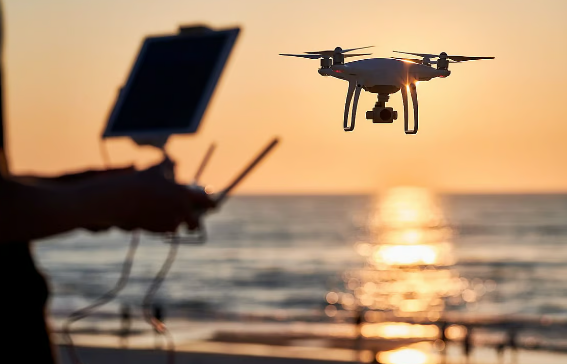
Meanwhile, robotics and autonomous systems are set to expand beyond controlled environments. Logistics robots, drones and AI-driven manufacturing platforms are moving from pilot programmes to large-scale deployment. This transition is expected to reshape industrial productivity, urban logistics and healthcare delivery. Policymakers face the challenge of designing regulatory and ethical frameworks that enable responsible integration of autonomous systems into daily life.
Finally, analysts suggest innovation itself is evolving from a policy objective into a design principle. Governments and urban planners are increasingly focusing on creating founder-friendly environments with simplified regulations, digital services and rapid decision-making processes. The most competitive innovation hubs are expected to function more like startups than traditional bureaucracies, prioritising speed and experimentation.
As 2026 approaches, the emphasis is shifting from isolated technological breakthroughs to the environments that allow them to flourish. Observers say the race is no longer about who invents the next big tool, but which cities and ecosystems are prepared to support innovation at full speed.