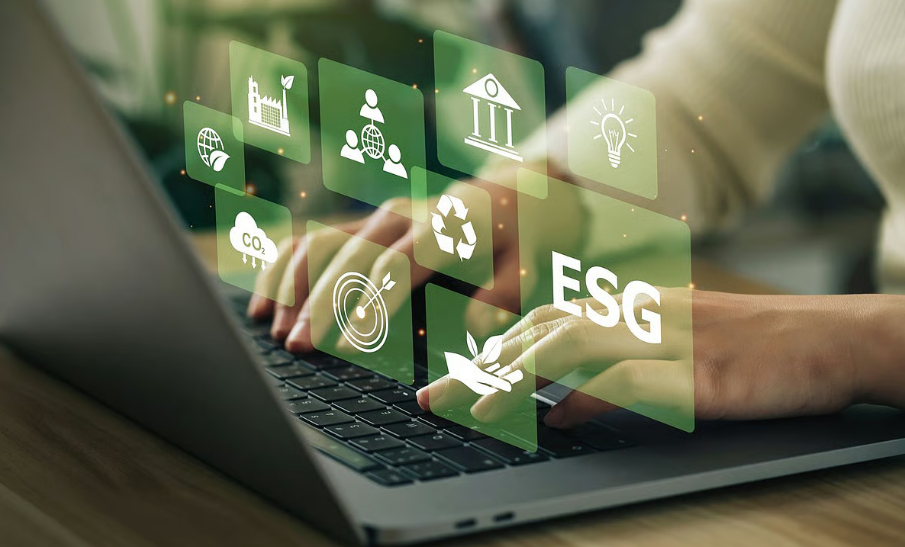
Of late, the term ‘green economy’ has gained popularity across international environmental policy and development practices. While symbolically appealing, experts warn that it is not synonymous with a sustainable economy and can be misleading if used interchangeably.
The distinction between the two concepts lies in their scope and approach. The green economy primarily focuses on clean energy, emission reductions, and resource management. It is often tied to technological solutions and short-term environmental outcomes but may overlook social equity, long-term planning, and structural economic reform. Critics argue that it can sometimes serve as a cosmetic label rather than a pathway to meaningful sustainability.
A sustainable economy, in contrast, is a holistic framework that integrates environmental protection, social inclusion, and economic resilience. It aims to meet the needs of the present without compromising the ability of future generations to meet theirs. The model emphasizes fairness, efficient resource use, and the integration of social priorities, particularly addressing the needs of vulnerable populations.
The green economy concept first gained international attention at the 2012 United Nations Conference on Sustainable Development in Rio de Janeiro, marking the 20th anniversary of the 1992 Earth Summit. It has since evolved to include low-carbon strategies, resource efficiency, and socially inclusive growth, with investments in energy, infrastructure, and biodiversity protection.
Transitioning to a green economy requires structural and technological changes across multiple sectors, including energy, urban planning, transport, industry, and agriculture. It also depends on strong policy frameworks and alignment with international climate agreements such as the Paris Accord. Governments are encouraged to integrate long-term low-carbon strategies, decarbonize industries, and develop green infrastructure and buildings.
Experts emphasize that the term ‘green economy’ alone does not fully capture these broader objectives. Politically, it can obscure gaps in justice, equity, and true sustainability. Terminology is more than semantics; it shapes awareness, drives policy, and influences societal priorities. Reducing the sustainable economy to a green label risks overlooking the social and cultural dimensions necessary for a just and resilient future.
The writer, the UAE’s former Minister for Climate Change and Environment and current Chairman of the Sharjah Consultative Council, suggests that more precise terminology is needed. The green economy could be described instead as an integrated sustainable economy or transformative economy, reflecting both environmental and social imperatives. “Hopes cannot be built on a foundation of confusion,” the expert said, highlighting the need for clarity as nations pursue global sustainable development goals.
The call for a more nuanced understanding of green versus sustainable economics comes amid growing global efforts to align financial, industrial, and technological systems with long-term environmental and social outcomes. Analysts say that countries that successfully adopt a transformative economy approach will be better positioned to achieve lasting resilience and equity in the face of climate and resource challenges.