Dubai’s reputation as one of the world’s most multicultural cities is reflected clearly in its rental market, where more than 200 nationalities shape distinct residential clusters based on lifestyle preferences, cultural familiarity and community ties. Fresh data from fäm Properties highlights how expatriate groups gravitate toward specific areas, creating neighbourhood patterns across the city.
Indian nationals form the largest tenant group in several districts, dominating five of the ten areas analysed. In Al Warsan First, they account for 34 per cent of renters, while in Jebel Ali First their presence rises sharply to 52 per cent. Both communities also see strong representation from other South Asian nationals; Pakistanis make up 25 per cent of tenants in Al Warsan First and 4 per cent in Jebel Ali First.
“The rental market isn’t just about price points — it’s about community and culture,” said Firas Al Msaddi, CEO of fäm Properties. “Indians have created vibrant hubs that mirror their traditions while embracing Dubai’s cosmopolitan spirit.”
British nationals feature prominently across the city’s more upscale districts, ranking among the top five nationalities in eight of the ten areas studied. They lead in Al Yelayiss 1, representing 26 per cent of tenants. In Al Wasl, they make up 15 per cent of renters, followed by French and Russian tenants at 10 per cent each. Dubai Creek Harbour shows a similar mix, with British, French and Russian nationals each accounting for 10 per cent. These communities offer access to international schools, leisure venues and waterfront living, attracting families and professionals seeking premium amenities.
Russians have established strong footholds of their own. They represent 18 per cent of tenants in Jumeirah First, while also marking notable shares in Dubai Creek Harbour (11 per cent) and Al Wasl (10 per cent). Their concentration in high-end and waterfront locations reflects Dubai’s appeal among European expatriates seeking lifestyle-driven neighbourhoods.
Pakistanis occupy an important space in the city’s rental landscape as well. Apart from their significant share in Al Warsan First, they appear prominently in JVC and Al Barsha, areas known for affordability, accessibility and family-friendly facilities.
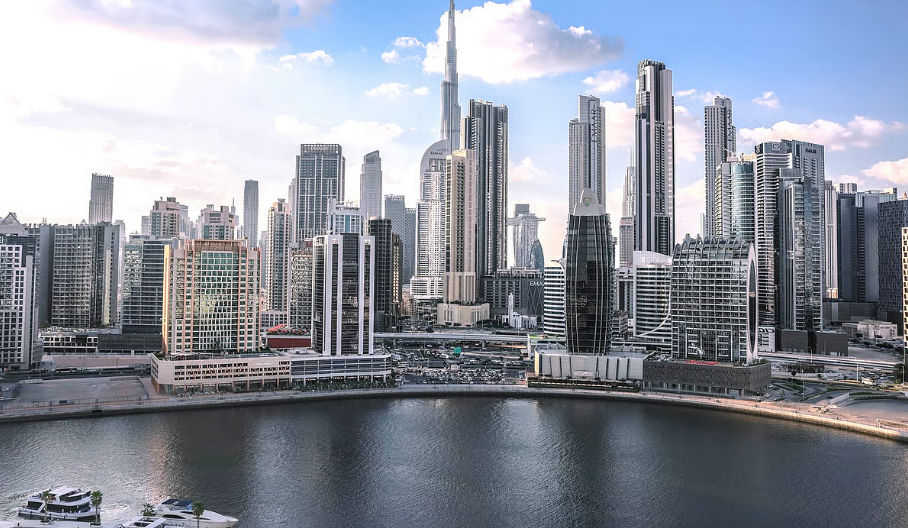
Yet in many prime districts, no single nationality holds a majority. Business Bay stands out with “Others” — a category encompassing dozens of smaller expatriate groups — accounting for 40 per cent of tenants. Al Msaddi said the data shows a fragmented tenant base that demonstrates “how global the city’s makeup truly is.”
The broader picture reveals Dubai as a collection of international micro-hubs: South Asian concentrations in Al Warsan and Jebel Ali, European clusters in Al Wasl and Jumeirah, and strong Arab representation — particularly Lebanese and Egyptians — in areas like Business Bay and Al Barsha.
With 203 nationalities calling Dubai home, the rental market reflects the city’s identity as a place where diverse communities coexist. Whether it is an Indian family settling in JVC, a British household choosing Al Wasl, a Russian professional in Jumeirah or a Pakistani family in Al Warsan, each group contributes to Dubai’s evolving social fabric.