Globally, we discard enormous amounts of material each year, even though most of it still has value. Research shows that around 80 per cent of the material content of products is thrown away almost immediately, yet nearly the same percentage retains real usable value. This means we are not just generating waste. We are wasting opportunity.
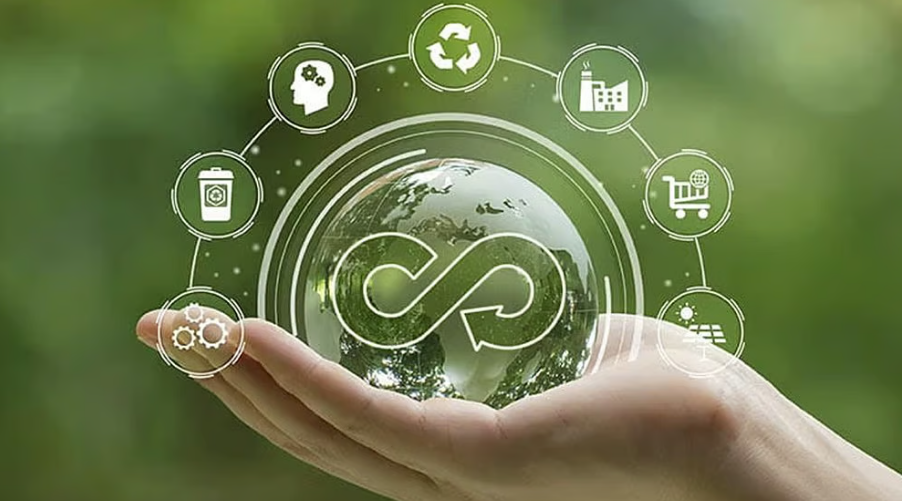
That reality is driving growing attention toward the circular economy, a model that challenges the long dominant take, use and dispose pattern. Instead of treating products as disposable, circular systems aim to extend their life through reduction, reuse, repair and return. Materials are kept in circulation through sharing, refurbishment, recycling and upcycling, allowing goods to deliver environmental and economic benefits for as long as possible.
The urgency of this shift is increasingly visible in regions experiencing rapid growth. In the Middle East, rising incomes and urban expansion have reshaped consumption habits. Everyday life is now marked by high volumes of packaging, electronics, textiles, household appliances and single use items. Traditional waste management systems are under strain as landfills approach capacity and natural resources face mounting pressure.
Environmental specialists warn that the linear model cannot keep pace with modern living. Circular approaches, they say, offer a practical response by cutting waste at the source and reducing demand for raw materials. Governments across the region have begun exploring policies that support recycling, repair industries and responsible production, while businesses and households are being encouraged to rethink everyday choices.
At the household level, circular thinking often starts with simple actions. Repairing appliances rather than replacing them, choosing second hand clothing or electronics, and separating waste for recycling can significantly reduce what ends up in landfill. Donation of toys, clothes and books gives items a second life while supporting communities. Measures such as meal planning to reduce food waste, composting organic scraps and reusing containers and shopping bags also play a role in slowing consumption.
When adopted widely, these habits can reshape social norms around ownership and disposal. Analysts note that cultural change, driven by repeated small actions, is just as important as large scale infrastructure.
Businesses are also finding practical ways to adopt circular practices. At Galadari Brothers, waste is increasingly treated as a resource rather than a burden. Scrap metal is resold so it can re-enter manufacturing cycles. Cardboard, plastic and paper are sorted for recycling to reduce landfill use. The company also organises toy and clothing donation campaigns alongside electronic waste drives to support responsible disposal.
Industry observers say such initiatives show that circularity is less about large capital spending and more about organisation and intent. As individuals and companies move in the same direction, sustainability becomes more attainable.
The circular economy is widely seen as a pathway toward a cleaner and greener future. Its success, however, depends on a broader shift in how societies value materials and view the planet, not as an endless supply, but as a fragile system that demands care and restraint.