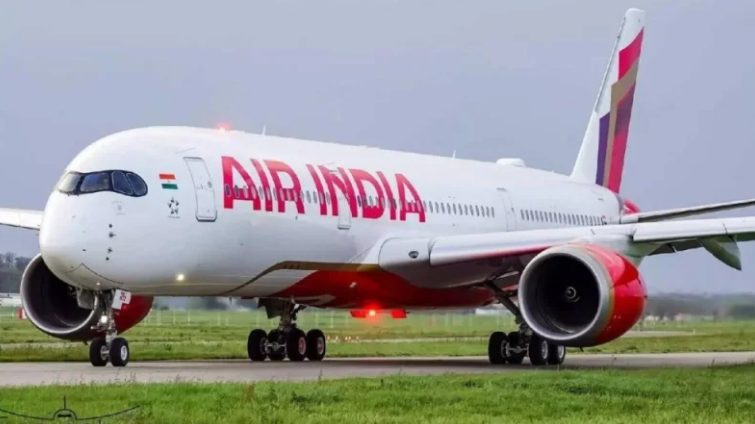
Air India is under growing regulatory pressure after India’s aviation authority issued multiple warnings over safety violations, particularly in crew fatigue management and training standards. The Directorate General of Civil Aviation (DGCA) has warned the airline it could face enforcement action, including financial penalties and possible removal of senior executives, following repeated non-compliance with safety protocols.
The warnings, detailed in four government notices dated July 23, come in the wake of Air India’s voluntary disclosures about a series of safety lapses between 2023 and 2025. The disclosures were submitted just days after a Boeing 787 Dreamliner operated by the airline crashed in Ahmedabad, killing 260 people in what has become the world’s deadliest aviation accident in a decade.
The DGCA has cited 29 violations across multiple operations. These include failures to provide pilots with the required rest periods, inadequate compliance with mandatory simulator training, and operations into high-risk airports without specialised training. The regulator also highlighted instances where international flights were operated with insufficient cabin crew.
“Despite repeated warnings and prior enforcement actions, systemic issues related to compliance monitoring, crew scheduling, and training governance remain unresolved,” one of the notices stated. “The recurrence of such violations suggests a failure to establish and enforce effective control mechanisms.”
Air India confirmed receipt of the notices and said they pertain to voluntary reports made over the past year. “We remain committed to the safety of our crew and passengers and will respond to the regulator accordingly,” the airline said in a brief statement.
The Ahmedabad crash has heightened scrutiny of Air India’s safety culture and operational practices. A preliminary investigation into the accident revealed confusion in the cockpit, with the fuel control switches being turned off almost simultaneously after takeoff. A pilot reportedly asked his colleague why he cut off the fuel, only to be told he hadn’t done so.
Further compounding safety concerns, the European Union Aviation Safety Agency (EASA) announced an investigation into Air India Express, the airline’s low-cost division, after media reports indicated delays in replacing engine parts on an Airbus A320. Separately, the DGCA found that Air India had flown three Airbus aircraft despite overdue emergency equipment checks.
These regulatory setbacks pose significant challenges for Tata Group, which acquired the formerly state-run airline in 2022 with ambitions to transform it into a global carrier of repute. The latest DGCA notices were addressed to senior executives, including Flight Operations Director Pankul Mathur and Training Director Amar Bhatia.
One of the notices flagged “weekly rest violations” for pilots in both June 2024 and June 2025, though the exact hours involved were not specified. Another cited training lapses, including a case in April where a pilot operated a flight from Kathmandu — a high-altitude airport with a challenging table-top runway — without undergoing the necessary simulator training.
The DGCA has not yet issued a formal public statement but is expected to closely monitor Air India’s response and next steps.