Fighting between Iran-backed Houthi forces in Yemen and Saudi Arabia has intensified in recent weeks, with missile and drone attacks targeting Saudi infrastructure, disrupting air travel and raising concerns over the security of regional energy supplies.
The latest escalation has also prompted Saudi-led military operations against Houthi positions in Yemen, while diplomatic efforts involving Saudi Arabia, Pakistan and Turkey seek to contain the wider conflict.
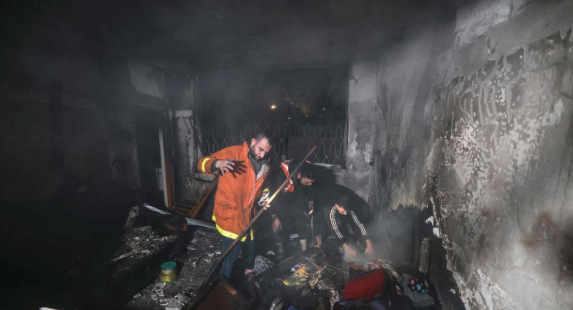
Saudi authorities have reported repeated attempts to target airports, ports and oil facilities over the past two weeks. At least 18 people have been killed in the attacks, according to the available reports, with additional casualties and damage to homes and vehicles.
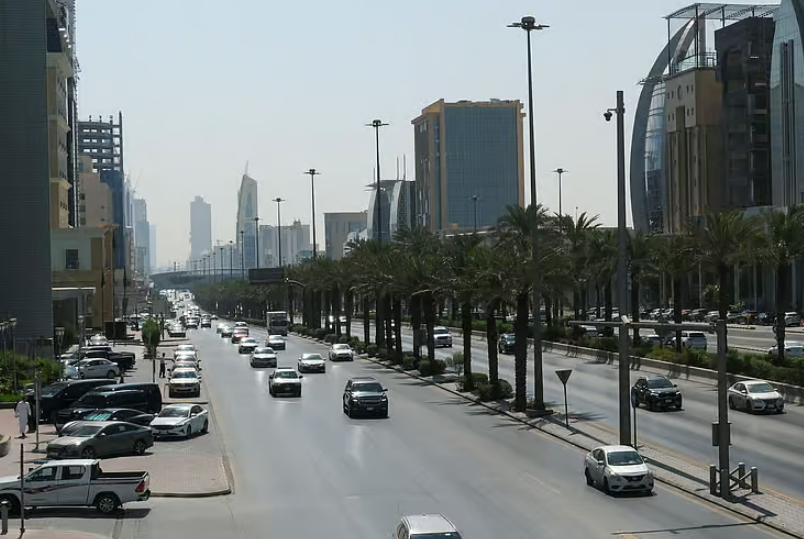
Earlier this month, attacks on Riyadh’s King Khalid International Airport killed 14 people from Saudi Arabia, Bangladesh, Egypt, India, Jordan, Pakistan and Palestine.
Saudi air defences intercepted a drone targeting a processing facility at Saudi Aramco’s Shaybah oil field last week. Falling debris killed a Filipino and a Nepali resident and injured a Pakistani and an Indian national. An attack on King Fahd International Airport in Dammam the same day killed an Indian resident and a Saudi citizen, while eight others were injured.
Missile interceptions have also caused debris to fall on residential areas, damaging buildings and vehicles.
On October 26, the Houthis claimed to have targeted pumping stations along Saudi Arabia’s East-West crude oil pipeline and Riyadh airport. Saudi Arabia did not confirm those reported attacks. The 1,200-kilometre pipeline provides an alternative route for transporting crude to the Red Sea, bypassing the Strait of Hormuz.
Saudi-led operations target Houthi positions
Saudi Arabia has increased military action against the Houthis following their advances towards strategic areas along Yemen’s Red Sea coast and the Bab Al Mandab Strait, a major shipping route.
The Saudi-led coalition said on October 26 that it had destroyed five tunnels used to store ballistic missiles, four missile launchers and a missile storage facility. Coalition spokesperson Turki al-Maliki said the operation also targeted supply lines, fighters and military equipment.
The latest fighting has disrupted a truce that had largely held since 2022. Saudi Arabia has led a coalition supporting Yemen’s internationally recognised government since the Houthis seized the capital, Sanaa, in 2014.
Flights disrupted as diplomatic efforts continue
Attacks on Saudi airports have caused flight cancellations and delays. Etihad Airways and flydubai have extended cancellations on some routes, while Emirates, flynas and Saudia have also faced disruptions. Riyadh airport announced changes to terminal arrangements for international and domestic flights on October 25.
The United States has ordered non-emergency government employees and their families to leave its missions in Saudi Arabia, citing security concerns. US government personnel have also been told to seek permission before using Saudi airports.
Meanwhile, officials from Saudi Arabia, Pakistan and Turkey were expected to meet Iranian leaders in Tehran to discuss regional security. The talks come under a joint defence agreement signed by the three countries in August.
Iranian Foreign Ministry spokesperson Esmaeil Baghaei said discussions would address Israeli policies, developments in Palestinian territories and Lebanon, and the consequences of US and Israeli military action against Iran.
The wider conflict remains uncertain. US officials have told CNN that American forces in the Middle East could be ready for new operations against Iran within 96 hours of an order from President Donald Trump. Trump said on October 25 that renewed fighting remained possible, although a deal could also end the conflict.
Iranian Foreign Minister Abbas Araghchi reiterated Tehran’s opposition to foreign interference, saying regional cooperation was the path towards peace.