Gulf countries need an integrated air and missile defence system capable of detecting threats, sharing intelligence and coordinating responses in real time, a senior UAE diplomatic expert has said, as recent attacks on Saudi Arabia renew calls for stronger regional security cooperation.
Dr Mohammed Ibrahim Al Dhaheri, Deputy Director-General of the Anwar Gargash Diplomatic Academy and an adviser at the Office of the UAE Minister of Foreign Affairs, said Gulf Cooperation Council (GCC) members must strengthen their joint capabilities before another crisis emerges.
“Since modern ballistic missiles and drones leave only minutes between launch and impact, the decisive work has to be done well before a crisis,” Al Dhaheri told Khaleej Times.
His remarks followed a call by Dr Anwar Gargash, Diplomatic Adviser to the UAE President, to revive joint Gulf action, particularly in security and defence. Gargash said the security of Gulf states was inseparable and warned that attacks against Saudi Arabia also threatened the UAE and the wider region.
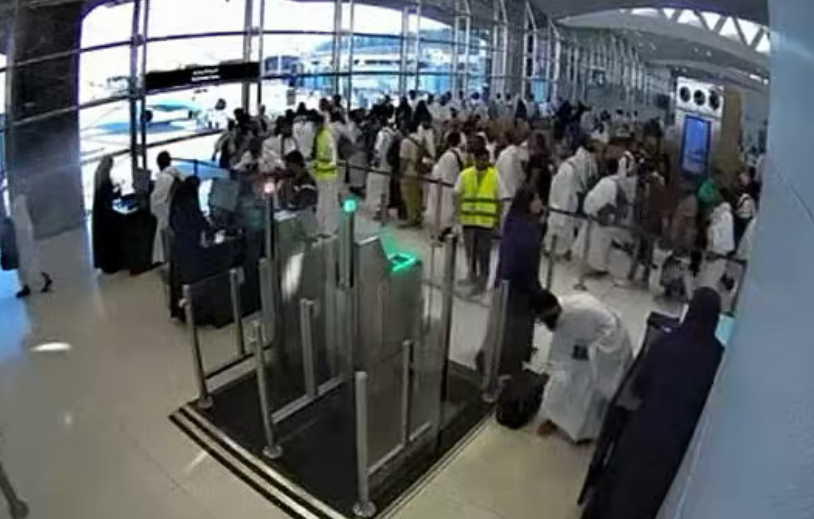
Houthi attacks on King Khalid International Airport in Riyadh on October 10 and 11 caused several casualties. An administrative building at Saudi Aramco’s headquarters in Dhahran was also struck on October 13.
Al Dhaheri said the attacks demonstrated why Gulf countries needed to treat threats against any member as a shared security concern.
Existing framework for collective defence
The six GCC states already have agreements and institutions designed to support collective defence. These include the Joint Defence Agreement, signed in 2000, the Unified Military Command in Riyadh, the Peninsula Shield Force and a joint naval force based in Bahrain.
Al Dhaheri recalled that forces from all six countries fought together during the 1991 operation to liberate Kuwait. The 2000 agreement subsequently formalised the principle that aggression against one member should be considered aggression against all.
In September 2025, GCC defence ministers agreed to share air surveillance information with national operations centres and accelerate work on a common early-warning system against ballistic missiles.
Turning these commitments into an effective defence network would require radars across the region to feed information into a shared operating system. Secure communications and compatible data links would allow military command centres to identify incoming threats and coordinate responses.
Al Dhaheri also called for rules of engagement to be agreed in advance, enabling countries to respond quickly without lengthy consultations during an attack.
Combining military and civilian resilience
The proposed system would use different defensive measures against different threats, including dedicated counter-drone weapons and advanced interceptors for ballistic missiles. He said regional industries were becoming increasingly capable of producing defence equipment.
Cooperation should also extend beyond the military, he added. Ports and roads in the UAE, Saudi Arabia and Oman helped maintain the movement of essential goods when shipping through the Strait of Hormuz was disrupted.
The GCC’s shared electricity grid, alongside proposed water connections and strategic reserves, could provide additional support during emergencies.
Al Dhaheri pointed to a March 2026 United Nations Security Council resolution condemning attacks by Iran, led by Bahrain on behalf of GCC states and Jordan, as an example of coordinated diplomatic action.
At their April 2026 summit in Jeddah, GCC leaders called for deeper military integration and faster progress on joint projects. Al Dhaheri said implementation would require dedicated funding, clear deadlines and continued political oversight.
He stressed that closer defence cooperation would not remove national independence in foreign policy or security decisions.
“Collective defence among our states draws its strength from the free choice of each capital,” he said.