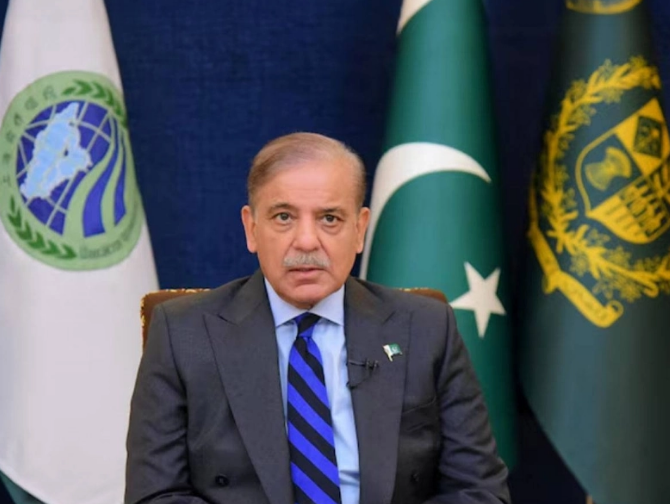
Pakistani Prime Minister Shehbaz Sharif has praised Qatar for its efforts in supporting a memorandum of understanding (MoU) between the United States and Iran, describing the agreement as a significant step toward easing tensions in the Middle East.
In a statement, Sharif said the presidents of the United States and Iran had signed the agreement, which he said was brokered through Pakistani mediation. According to the prime minister, the deal came into force immediately and includes a series of coordinated measures aimed at reducing hostilities and creating conditions for further negotiations.
Sharif said implementation of the agreement would begin with simultaneous actions by both sides. Under the arrangement, Iran would immediately reopen the Strait of Hormuz to commercial shipping, while the United States would lift its naval blockade in the area.
The Strait of Hormuz is one of the world’s most important energy transit routes, carrying a significant share of global oil shipments. Its reopening is expected to ease concerns in international energy markets and support the movement of trade through the Gulf region.
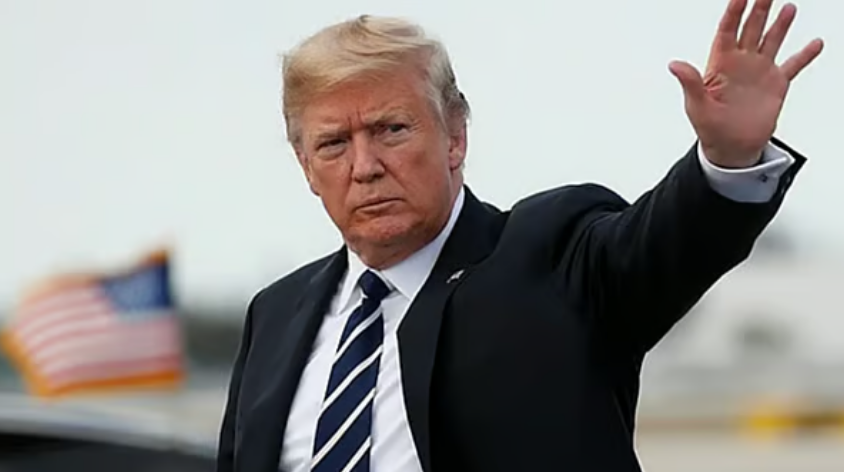
The Pakistani leader credited US President Donald Trump with helping bring an end to a conflict that had threatened regional stability and raised fears of wider consequences beyond the Middle East. He said diplomatic efforts had prevented a situation that could have escalated further and affected global security and economic conditions.
Sharif also acknowledged the work of senior members of the US negotiating team, including Vice President JD Vance, Special Envoy Steve Witkoff and adviser Jared Kushner, for their involvement in the talks that led to the agreement.
In addition, the prime minister praised the contributions of several regional countries that supported efforts to reduce tensions. He specifically highlighted the roles of Qatar, Saudi Arabia, Türkiye and Egypt, saying their engagement had helped create momentum for a diplomatic solution.
The agreement between Washington and Tehran provides for a halt in military operations between the two countries and opens the way for a new round of negotiations aimed at reaching a comprehensive settlement on outstanding issues.
While details of the final accord have not yet been fully disclosed, officials have indicated that the memorandum serves as a framework for future talks and confidence-building measures between the two sides.
The announcement comes after months of heightened tensions and military confrontation that raised concerns about regional security, energy supplies and international trade routes. Diplomatic efforts by several countries have intensified in recent weeks in an attempt to secure a ceasefire and prevent further escalation.
With the memorandum now in effect, attention is expected to shift toward negotiations on a permanent agreement and the implementation of measures designed to maintain stability in the region.