Muslim communities around the world are marking the end of Ramadan with differing start dates for Eid al-Fitr, as authorities in several countries continue to rely on the sighting of the Shawwal crescent moon to confirm the holiday.
Committees responsible for moon sighting gathered on the evening of the 29th of Ramadan, scanning the skies after Maghrib prayers for the thin الهلال (crescent) that signals the beginning of the Islamic month of Shawwal and the conclusion of a month of fasting. The process, deeply rooted in tradition, remains a key determinant for the timing of Eid celebrations across many parts of the Muslim world.
This year, Afghanistan, Niger and Mali were among the first to confirm the sighting, declaring Thursday, March 19, 2026, as the first day of Eid. In contrast, several Southeast Asian nations, including Brunei, Singapore, Malaysia and the Philippines, announced that Eid will be observed on Saturday, March 21, based on astronomical calculations and local moon sighting criteria.
Other countries are expected to begin celebrations on Friday, March 20, depending on confirmed sightings. In many regions, authorities have yet to issue final announcements, leaving millions awaiting official confirmation. For those observing the moon after sunset, Eid could fall either on March 20 or March 21, depending on whether the crescent is visible.
The variation in dates reflects differences in methods used to determine the start of Islamic months. While some countries rely strictly on physical moon sightings within their borders, others consider regional sightings or astronomical data. These differing approaches often result in Eid being celebrated on separate days across the globe.
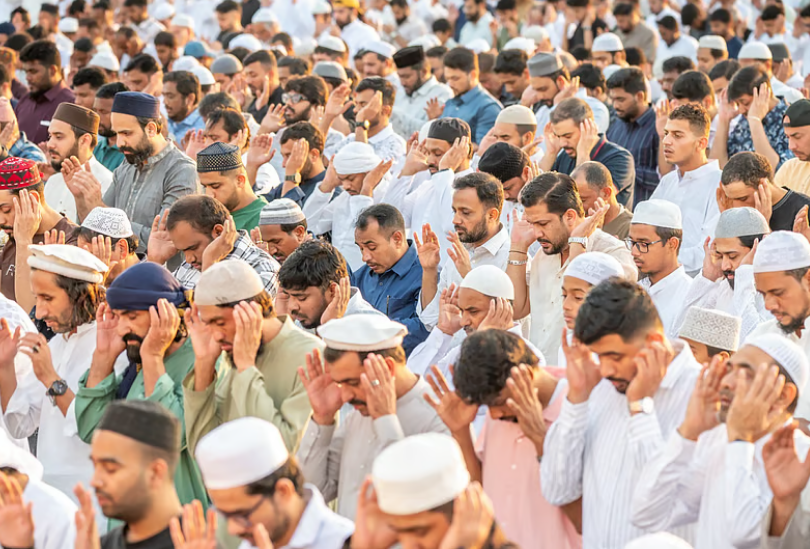
Despite the variation, the significance of Eid remains unchanged. The festival marks the end of Ramadan, a month of fasting, prayer and reflection for Muslims. It is traditionally celebrated with communal prayers, family gatherings, charity and festive meals.
Religious authorities continue to emphasise the importance of following official announcements in each country to ensure unity within local communities. As announcements continue to come in, millions of Muslims are preparing to celebrate the occasion with loved ones, marking one of the most important events in the Islamic calendar.