Sri Lanka has urged electric vehicle owners to stop charging their cars at night, saying the surge in demand is forcing the country to burn more coal and diesel to keep the power grid running.
In an address to the nation, President Anura Kumara Dissanayake said electric cars were adding an extra 300 megawatts of demand at night, placing significant pressure on the country’s electricity system. He noted that most drivers plug in their vehicles after returning home from work, creating a sharp spike in demand during evening hours.
Officials say this pattern is forcing the country to rely heavily on fossil fuel-based power generation. Much of the electricity used at night is produced by a 900-megawatt coal power station along with nearly 1,000 megawatts generated from diesel. This reliance contrasts with the environmental promise often associated with electric vehicles. Sri Lanka currently lacks large-scale battery storage systems, limiting its ability to store surplus solar energy generated during the day for use after sunset.
Dissanayake called on vehicle owners to shift their charging habits to daylight hours, when solar energy production is at its peak. He said the government is preparing to introduce new electricity tariffs aimed at discouraging night-time charging and easing pressure on the grid.
The appeal comes as the country experiences a sharp rise in electric vehicle adoption. Since lifting a five-year ban on vehicle imports in February last year, more than 10 per cent of all imported vehicles have been fully electric. While the shift supports long-term environmental goals, it has also created new challenges for an already strained energy system.
Sri Lanka is grappling with a broader energy crisis linked to global instability. Authorities have begun rationing fuel supplies as the country struggles to secure sufficient crude oil imports. The president said two planned shipments of 90,000 tonnes of crude oil could not be obtained due to disruptions caused by conflict in the Middle East.
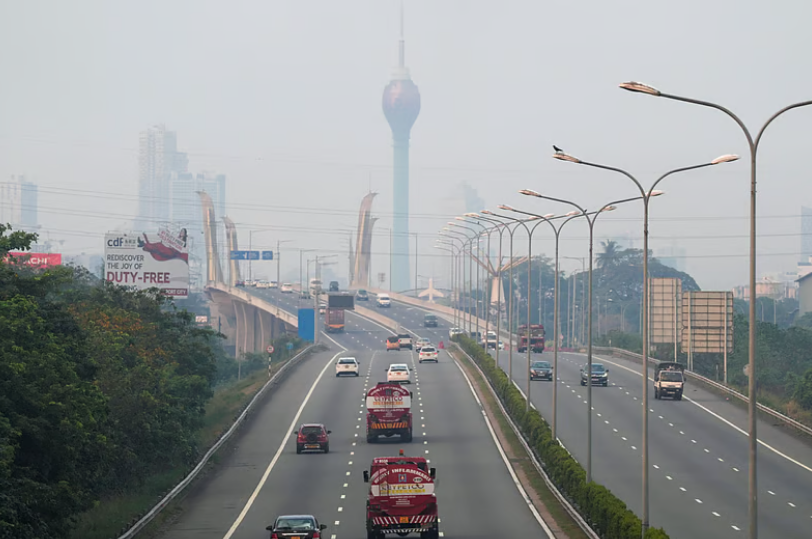
In response, the government has introduced a four-day working week in an effort to reduce fuel consumption. On Wednesday, the impact was visible across major cities, including Colombo, where streets were noticeably quieter and public transport hubs saw fewer passengers as schools, banks and government offices remained closed.
The government is also exploring alternative supply arrangements, with discussions underway with countries including India and Russia to secure refined petroleum products.
Officials say the situation highlights the need for better energy planning as the country transitions towards cleaner technologies. While electric vehicles are expected to play a key role in reducing emissions, authorities stress that infrastructure and energy supply must keep pace to ensure the shift remains sustainable.