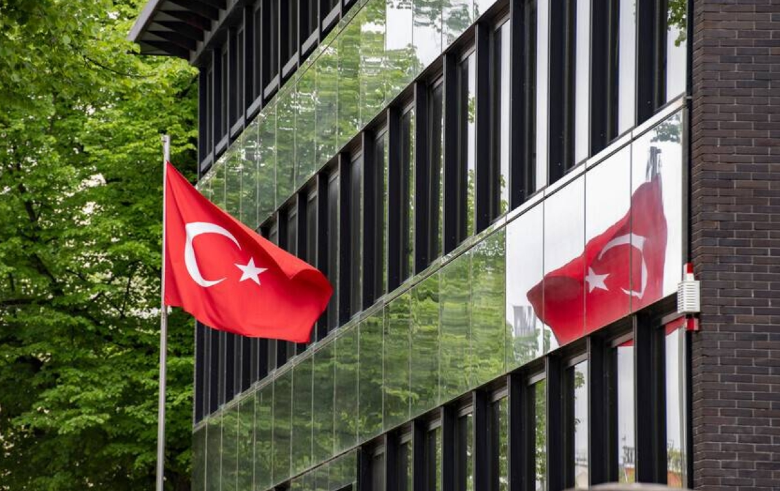
Türkiye has introduced new Emergency and Defense Planning departments across nearly all government ministries as part of a nationwide effort to strengthen preparedness for war, disasters, and national mobilization. The move forms part of a broader policy aimed at improving coordination and readiness within the state administration.
The new units have been created in every ministry except the Ministry of National Defense, which remains the main authority responsible for implementing defense and mobilization policies. According to Turkish media reports, the departments will oversee preparations related to civil defense, crisis response, and wartime planning.
Appointments for the heads of the newly formed departments have already been finalized. The decisions were published in the Official Gazette and signed by President Recep Tayyip Erdoğan, making the structure operational across the government.
The departments were established under a presidential decree issued in October 2025. Their responsibilities include coordinating planning activities across ministries and affiliated institutions, ensuring that emergency preparedness measures are aligned with national policies. The units are also tasked with maintaining communication channels with the presidency and providing regular updates on preparedness efforts.
Officials say the initiative aims to strengthen the government’s ability to respond quickly and effectively to a wide range of crises. These include potential military conflicts, natural disasters, and large-scale national emergencies that require coordinated action across multiple sectors.
The new planning structures are expected to work closely with other state agencies involved in emergency management and security. By placing dedicated departments inside ministries, the government hopes to ensure that contingency planning is integrated into day-to-day administrative operations.
Türkiye has faced several major emergencies in recent years, including destructive earthquakes and regional security challenges, prompting calls for stronger coordination between government institutions. Analysts say the new framework reflects a growing focus on resilience and national readiness.
Under the new system, each ministry will be responsible for identifying potential risks related to its specific area of responsibility and developing contingency plans. The Emergency and Defense Planning departments will then coordinate these plans with national strategies and ensure that resources, communication networks, and response procedures are prepared in advance.
The flow of information between ministries and the presidency is also expected to improve through the new structure. The departments will gather and transmit data related to emergency planning, allowing central authorities to maintain oversight of readiness levels across the government.
The initiative signals a broader effort by Ankara to institutionalize crisis planning within its administrative system. By embedding emergency and defense planning units throughout government ministries, officials aim to create a more integrated national response framework capable of addressing both security threats and large-scale disasters.