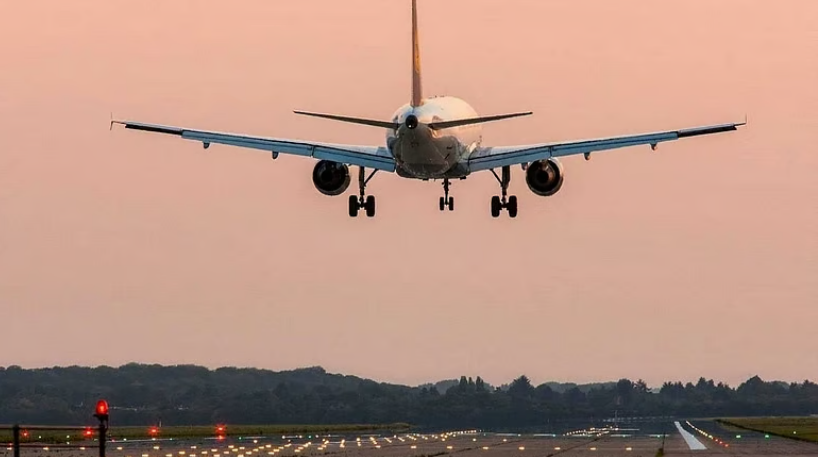
The tit-for-tat closure of airspace between Pakistan and India is set to enter its 11th month after Pakistan issued a fresh notice to airmen, or Notam, barring Indian aircraft from transiting its airspace until March 23. Aviation observers expect India to extend its reciprocal restrictions in response.
The standoff has been in place since April 24, 2025, when Pakistan closed its airspace to Indian carriers following a deterioration in bilateral relations after the Pahalgam terror attack. India responded days later by shutting its airspace to Pakistani airlines. Since then, the reciprocal ban has remained largely unchanged.
Indian airlines are estimated to be bearing significant financial losses as a result of longer flight paths and higher fuel costs. Industry estimates suggest the extended routes and related operational challenges are costing Indian carriers about $1 billion (Dh3.67 billion) annually. Nearly 800 flights, including both departures and arrivals, have been affected. Most impacted services operate from Delhi and other northern Indian cities to destinations in the Gulf, the Middle East, Europe and eastern North America.
The rerouting has forced Indian airlines to take longer paths over the Arabian Sea or other corridors to avoid Pakistani airspace, increasing flight times and fuel consumption. Airlines have also had to adjust crew schedules and manage knock-on delays across their networks.
Pakistan International Airlines has been less affected by the restrictions, as the flag carrier operates relatively few eastbound flights that would require overflying Indian territory.
According to the Pakistan Civil Aviation Authority, the country’s airspace is divided into two flight information regions, Karachi and Lahore. The current Notam applies to both regions, effectively preventing Indian-registered aircraft from entering Pakistani-controlled skies.
This is not the first time political tensions between the two nuclear-armed neighbours have disrupted regional aviation. In 2019, after the Pulwama terror attack and subsequent military escalation, Pakistan closed its entire airspace for nearly five months. That move disrupted more than 400 flights a day and forced widespread rerouting across South Asia.
Indian government figures from that period show domestic airlines incurred losses of about $64.3 million during the nearly five-month closure.
With no sign of diplomatic thawing, airlines on both sides continue to operate under extended flight plans and higher costs. The latest extension signals that the aviation dispute, rooted in broader political tensions, remains unresolved as it approaches its first anniversary.