Energy ministers from the Group of Seven (G7) nations said they are prepared to take “all necessary measures” regarding oil reserves as global crude markets face sharp volatility linked to the ongoing conflict in the Middle East.
The statement came after a virtual meeting held on Tuesday between G7 energy ministers and the Executive Director of the International Energy Agency (IEA), Fatih Birol. In a joint declaration released Wednesday, ministers said they would closely review recommendations emerging from the discussions and remain ready to act if market conditions worsen.
“G7 members will carefully consider the recommendations issued during these discussions,” the statement said. The ministers added that they support proactive steps to address the situation, including the possible use of strategic oil reserves if necessary.
Officials noted that coordination is ongoing not only among G7 members but also with IEA member states and other international partners. “We agreed to stand ready to take all necessary measures in coordination with IEA members,” the statement added.
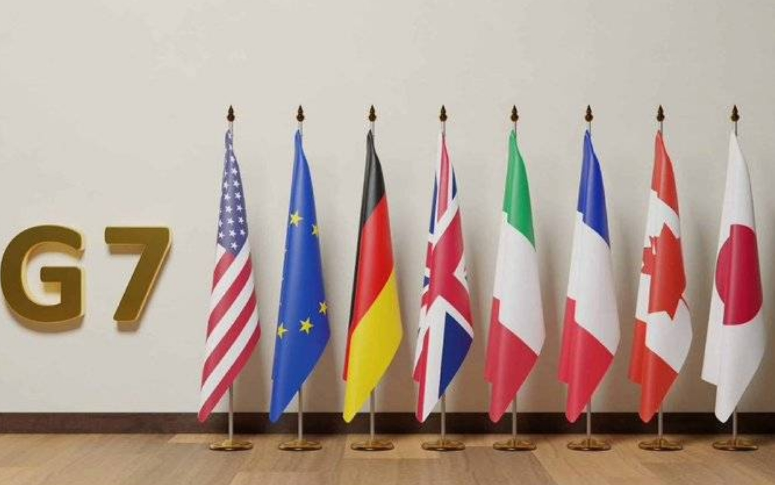
The talks were part of a series of meetings among senior officials from the G7 countries — Britain, Canada, France, Germany, Italy, Japan and the United States — as they assess the potential economic impact of the Middle East conflict.
Earlier in the week, G7 finance ministers met on Monday to examine the economic risks associated with rising oil prices and potential supply disruptions. That meeting was followed by Tuesday’s discussion among energy ministers, which focused on the option of deploying emergency oil reserves to stabilize markets.
Later on Wednesday, leaders of the G7 countries are scheduled to hold a meeting at the request of French President Emmanuel Macron. The leaders are expected to focus on the ongoing war in the Middle East and its broader global implications, including energy security and oil supply risks.
The issue of strategic oil stockpiles is expected to feature prominently in the discussions, as policymakers weigh whether releasing reserves could help ease pressure on global energy markets.
According to the International Energy Agency, member countries currently hold more than 1.2 billion barrels of emergency oil stocks. In addition to these government reserves, the private sector holds roughly 600 million barrels of oil under mandatory stockholding rules established by national authorities.
Strategic reserves are typically used during major supply disruptions to prevent sudden shortages and stabilize prices. They have been deployed in previous crises, including during periods of geopolitical conflict and natural disasters affecting oil production.
Analysts say the current volatility in oil markets has raised concerns among policymakers about the possibility of supply disruptions if tensions in the Middle East escalate further.
While no decision has yet been made on releasing reserves, the statement from G7 energy ministers signals that governments are closely monitoring developments and remain prepared to intervene if needed to ensure stability in global energy markets.